
· 18 min read · Leadership Interviews
Leadership Is About Helping Others Dare. Amaël Aubert on curiosity, empowerment, and the courage to grow.

What does it mean to be a leader who inspires others to grow, embrace change, and dare to step outside their comfort zone?
In this month’s Leadership Interview, Amaël Aubert from JCI Switzerland shares his journey from local and national leadership to his current role as JCI Vice President assigned to Europe. Drawing on his experience in finance, technology, and nearly two decades in JCI, he reflects on the importance of curiosity, empowering others, learning from mistakes, and creating meaningful impact.
Discover his perspective on leadership, the lessons learned across cultures, and why sometimes the best way to lead is to help others find their own wings.
Dear Amaël, before we start, tell us few things about yourself:
My name is Amaël Aubert. I’m from Switzerland, and I turned 40 years old. If I had to describe myself, I would probably say that I’m someone who has a hard time sitting still for too long.
Professionally, I am a CFO in the construction industry, but my work has never really stopped at finance. I am curious by nature, so I tend to get involved in technology, digitalisation, business development, governance or simply whatever problem needs to be solved. I like understanding how things work, but probably even more, understanding why they work the way they do.
Then there is JCI. I joined in 2007 without imagining for a second where it would take me. Almost twenty years later, I’ve been a Local President, National President of JCI Switzerland in 2025 and I now serve as a JCI Vice President assigned to Europe. More importantly, JCI has taken me around the world and brought people into my life whom I would never otherwise have met.
But I am definitely not only work and JCI. I love travelling, skiing, and being in the mountains. I am also a canyoning guide. There is something about standing above a giant waterfall, knowing you have to go down and hearing that little voice asking, “Are you really sure about this?” that puts many other problems into perspective.
I think these different worlds actually tell quite a lot about me. I’m curious, analytical, and enthusiastic—sometimes too enthusiastic—and I definitely have a tendency to take on more than I should. I love connecting people who should know each other, discovering new cultures, challenging ideas and trying things I haven’t done before.
Somewhere along the way, I’ve become quite comfortable with being uncomfortable. And looking back, that has probably shaped my understanding of leadership more than I ever expected.
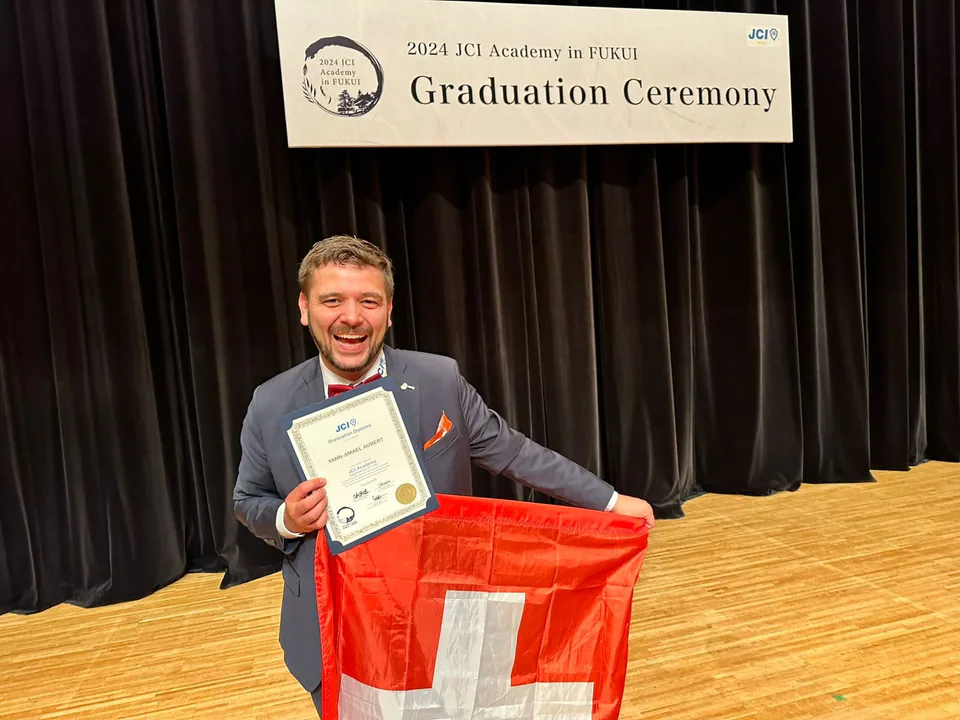
What does leadership mean to you personally, and how has your understanding of leadership evolved throughout your professional and JCI journey?
When I was younger, I had this idea that a leader was supposed to know.
You should have the answer. You should be right. You should be strong. You shouldn’t make mistakes (or show them), and you certainly shouldn’t show any weaknesses.
Well… I was wrong.
Over the years, I have made mistakes. I have made wrong decisions. I have trusted the wrong people sometimes and probably been too stubborn at other times. What changed was my understanding of what happens after the mistake.
Can you own it? Can you stand in front of your team and say, “I got this wrong”? Can you understand why it happened, be transparent about it, learn from it, and build something better afterwards?
Today, I think that requires much more strength than pretending you never get anything wrong.
I also stopped believing that the leader needs to be the smartest person in the room. Actually, I really enjoy being surrounded by people who are better than me at what they do. If I have specialists around the table, my job isn’t to prove that I know more than they do. My job is to create an environment where all that knowledge and talent can come together and move us forward.
That doesn’t mean avoiding responsibility. Leaders still need to decide. Sometimes you have to make the call without having all the information, and accept what comes with it.
So leadership, for me, is no longer about having all the answers. It’s about creating trust, giving direction and taking responsibility while giving people enough confidence and space to act.
Sometimes the strongest answer a leader can give is simply, “I don’t know yet. Let’s find out.”

You work at the intersection of finance, technology, business and people. What values help you make decisions when these different perspectives don’t necessarily point in the same direction?
Being a CFO, I obviously like numbers. But one thing I have learned is that numbers can tell you exactly what happened without necessarily telling you whether it was the right thing.
Take growth. We naturally associate it with success. More turnover must be good. More participants at an event must be good. A bigger project must be better. Professionally, I have experienced situations in which we increased revenue while reducing the margin. Bigger was not better. It was simply bigger.
I see the same thing in JCI. Imagine you plan an event for 100 people and only 30 attend. On paper, you missed your target. But what happened between those 30 people? Did they build stronger relationships? Did somebody find a future business partner? Did a member leave with an idea that changed their next step?
Then perhaps the number alone does not tell the story.
Technology has taught me another side of this. Sometimes you invest months, money, energy, and a little bit of your ego into an idea, and eventually the evidence tells you to stop or reduce your ambition. That decision is difficult, but continuing simply because you have already invested so much can be worse.
So when finance, technology, business and people point in different directions, I try to come back to a few things. Purpose. Long term value. Sustainability. Human impact.
Why are we doing this? What are we really trying to achieve? Who are we creating value for? And are we still solving the problem we originally wanted to solve?
Numbers matter enormously to me. But they are a tool for making better decisions, not the purpose of the decision itself.
And that naturally leads to the question I probably ask more often than any other.
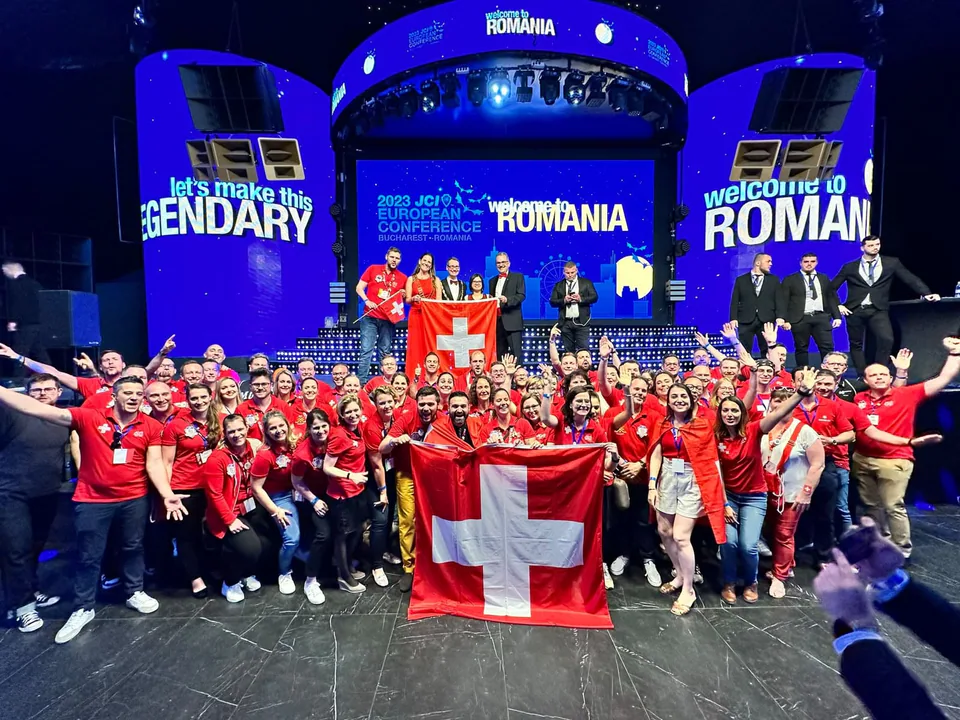
You have described yourself as being driven by the question, “Where is the real added value?” How does this question influence the way you lead?
Well, I question things a lot… Including myself.
I am probably annoying sometimes because, when someone says, “We do it this way because we’ve always done it this way,” my natural reaction is, “Okay… but why?”
I do not believe everything needs to change. Some traditions deserve to be protected because they create identity, memories and connection. But tradition alone is not a reason to continue something.
Asking “Where is the real added value?” forces me to understand what we are actually trying to preserve.
Over time, I have learned to enjoy change. Maybe “enjoy” is a strange word because change can be uncomfortable, unstable and sometimes frightening. But it is also one of the few certainties we have.
People change. Organisations change. Technology changes. Society changes. Plans definitely change. And the world around us seems to be doing it faster every year.
We spend a lot of energy trying to create stability by resisting that change. I prefer another approach.
Don’t find stability by resisting change. Find it by knowing what you will hold on to while everything else changes.
For an organisation, that means understanding what is really at its core. What is our purpose? What creates real value? What are the values we refuse to lose even if everything around them evolves?
Once you know that, change becomes much less threatening.
So when I challenge a tradition, a project or even one of my own ideas, it is not because I want to destroy what existed before.
I want to understand what is valuable enough to carry into the future and have the courage to leave behind the extra weight that no longer helps us get there.
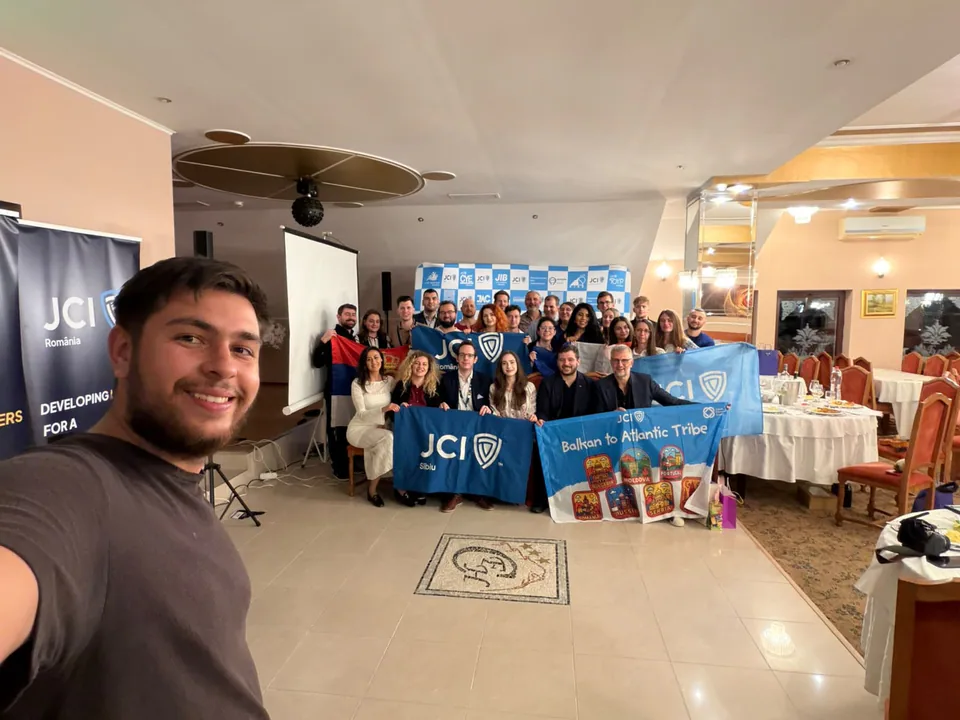
You joined JCI in 2007 and have taken on local, national and international leadership roles. Which experience had the greatest impact on the leader you are today?
The experience that has had the greatest impact on me is actually this year as JCI Vice President. But the road towards it changed significantly in Zimbabwe in 2023.
At the time, I was EVP International of JCI Switzerland and promoted the JCI World Congress in Zürich. During that trip, my friend Morgan and I spent quite some time discussing what was not working in JCI and what needed to change for our organisation to remain relevant.
Eventually, we stopped complaining and asked ourselves, “Okay, what are we going to do about it?”
Morgan decided to organise a National Congress according to the vision he believed in. I decided to run for Deputy President, which eventually led to my becoming National President in 2025.
Zimbabwe changed the direction. But this year gave that journey its strongest sense of purpose.
As JCI Vice President, I have had the privilege of spending time with young leaders across Europe, engaging with members in their countries, giving trainings, sharing experiences and sometimes simply being there when someone needed support or a different perspective.
I have been able to share a lot, but I have gained just as much in return.
Every country has taught me something. I have discovered new cultures and different realities, built genuine friendships and expanded my network in ways I would never have had the opportunity to do otherwise.
And I absolutely love it.
This has been, by far, my best and most fulfilling year in JCI. Not because of the title or the travelling, but because of the combination of purpose, contribution, connection and learning.
Perhaps that is what leadership has become for me. Sharing what I have learned while remaining curious enough to keep learning from everyone I meet.
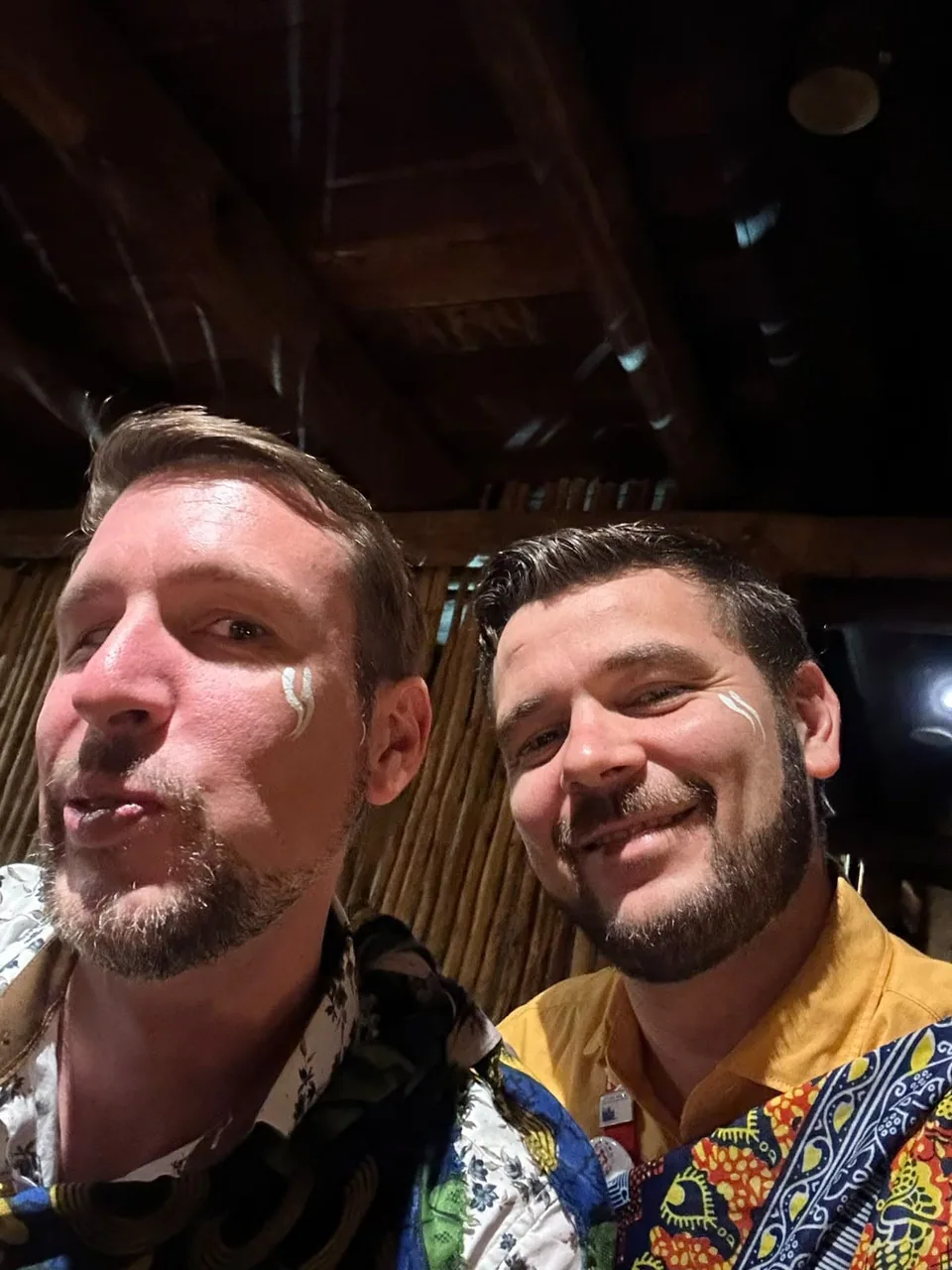
You have said that JCI gave you a space to develop and test your leadership, project management and team management skills. Which of these skills has had the greatest impact on your professional career?
People’s leadership. Without hesitation.
The analytical side has always been quite natural for me. Give me numbers, a problem, and a decision that needs to be made, and I am fairly comfortable.
People are slightly more complicated than Excel.
JCI taught me that very quickly.
In a volunteer organisation, you discover that a title gives you surprisingly little power. You cannot really order people to do something. Well, technically you can try. You will just discover rather quickly how ineffective that is.
People have to want to contribute.
That forces you to understand what motivates them. You need to build trust and communicate differently with people who have different personalities. Sometimes you need to listen. Sometimes you need to challenge someone. Sometimes you need to make a decision they will not like. And sometimes the best thing you can do is simply get out of their way.
For a long time, my analytical and decisional side and my people side felt quite separate. JCI gave me a place where I could bring those two parts together.
I discovered that I genuinely enjoy connecting people. I love meeting two people and immediately thinking, “You two absolutely need to know each other,” then discovering months later that they are building something together.
I also learned to enjoy creating experiences and moments people remember, rather than simply completing tasks.
That has influenced my professional leadership enormously.
Technical knowledge remains essential, particularly in finance. But the further you progress into leadership, the less your impact depends only on what you personally know how to do.
It increasingly depends on what you can help a group of people accomplish together.
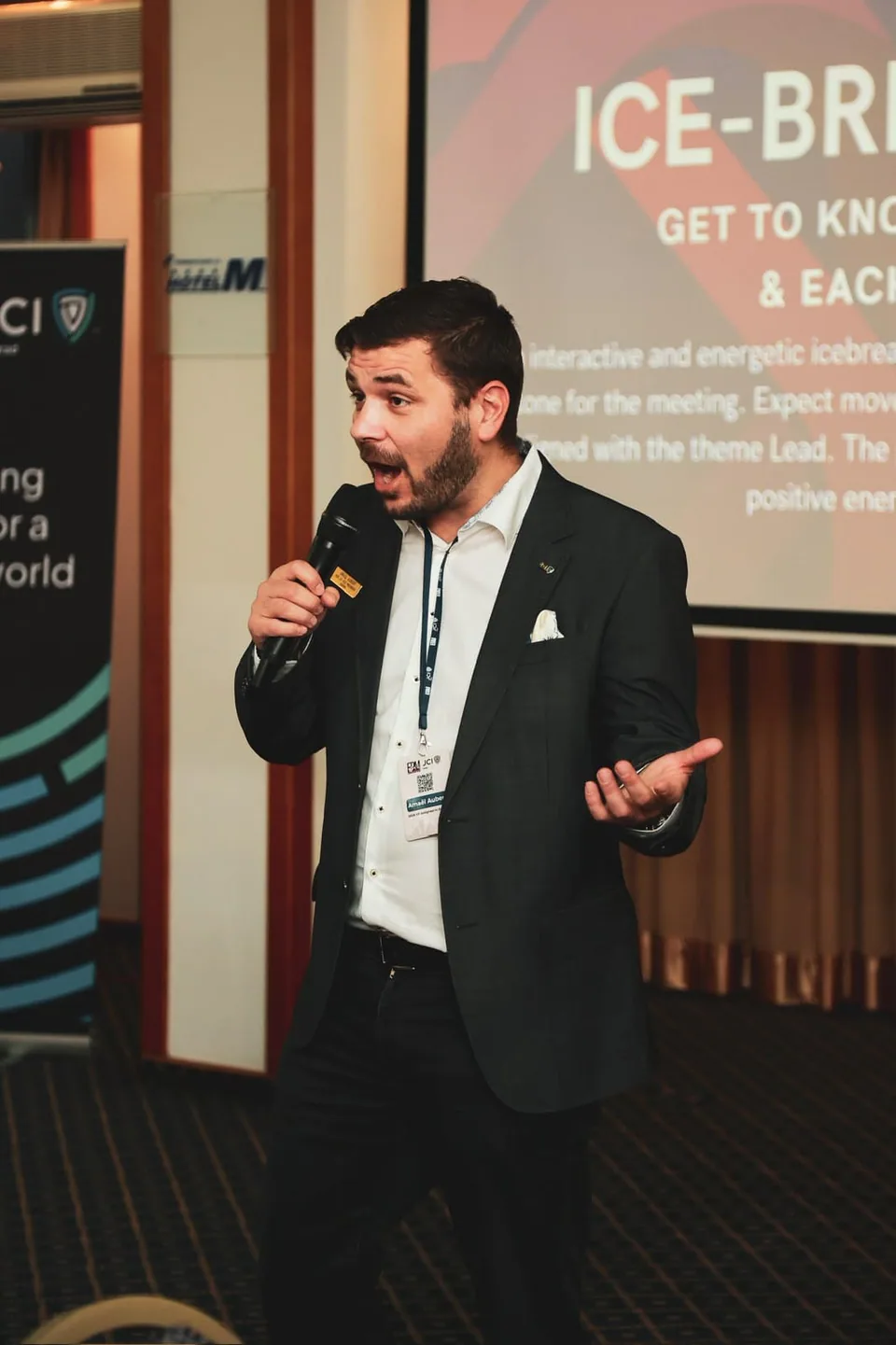
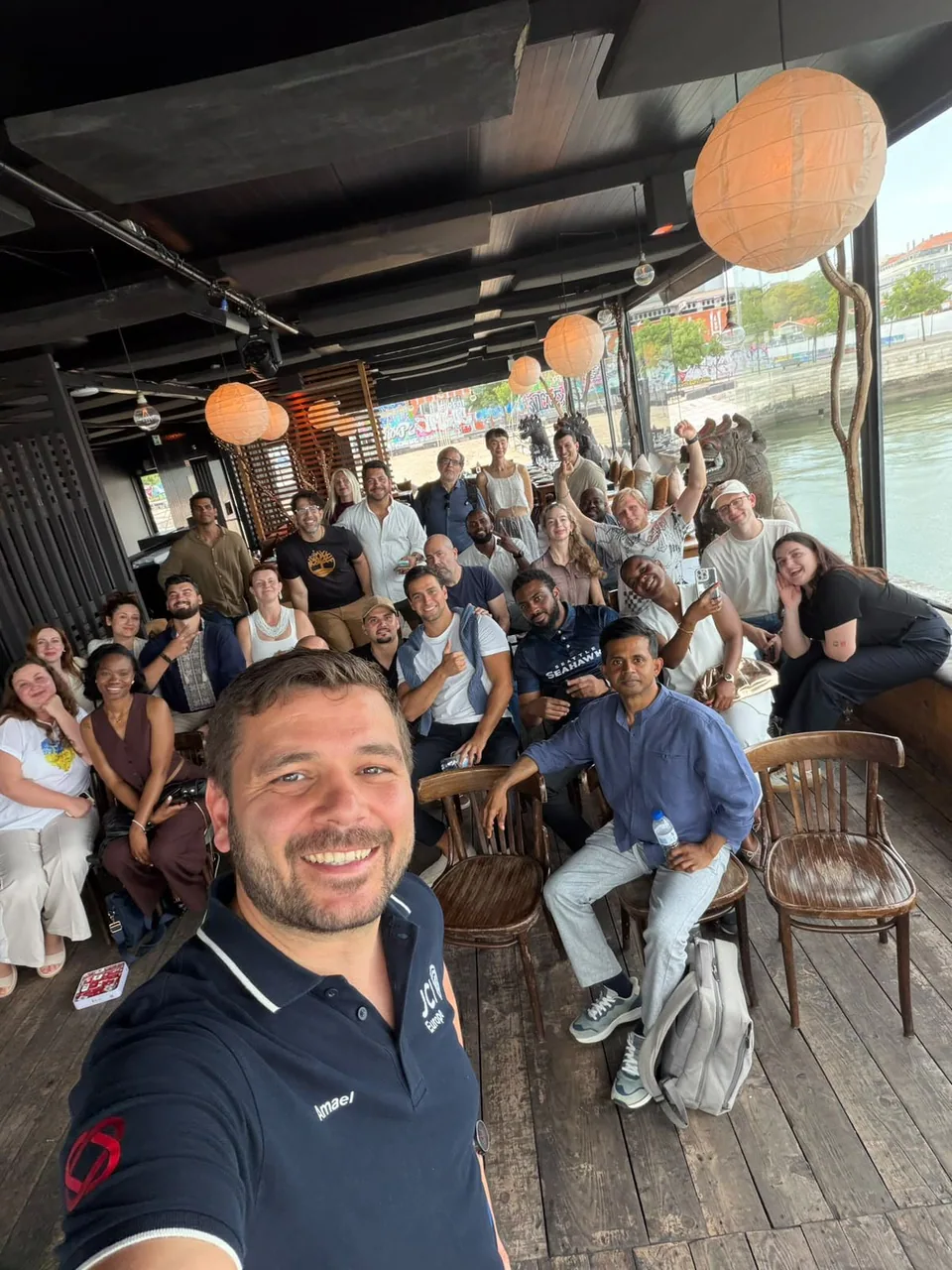
JCI has taken you into contact with people from dozens of countries and cultures. How has this international experience changed the way you communicate, collaborate and lead?
One of the biggest lessons international JCI has taught me is simple.
What is normal to you is not normal elsewhere.
I really understood this while working more closely with different European countries. Coming from Switzerland, I arrived with assumptions about NGOs, institutions, community engagement, and even what people expect from elected leaders. Then you start listening and realise how strongly history shapes those perceptions.
In countries where NGOs or institutions have sometimes been associated with politics, influence, or corruption, people may naturally approach them differently. The relationship between business, civil society, and political structures can also be completely different.
That changed the way I communicate.
I became much more careful about arriving with an answer simply because something had worked in Switzerland. Before asking, “How can we fix this?” I increasingly want to understand, “Why does it work this way here?”
It has also changed my perspective on business within JCI. In several countries I have worked with, connecting entrepreneurs, companies and young leaders is not simply an additional activity. It is a fundamental part of creating opportunities, credibility and sustainable organisations.
And I think Western JCI organisations can learn something from that too. Somewhere along the line we became so focused on community engagement that we forgot about the incredible network of entrepreneurs, leaders and professionals already sitting in the room.
The biggest change for me, however, is probably humility.
Different does not automatically mean wrong. Familiar does not automatically mean better.
You need to listen before deciding what someone needs.
That lesson follows me home too. Whether I am working internationally, with colleagues, or with a team in Switzerland, I try to understand the reality in front of me before applying the solution I already have in my head.
Leadership across cultures taught me to arrive with fewer answers and better questions.
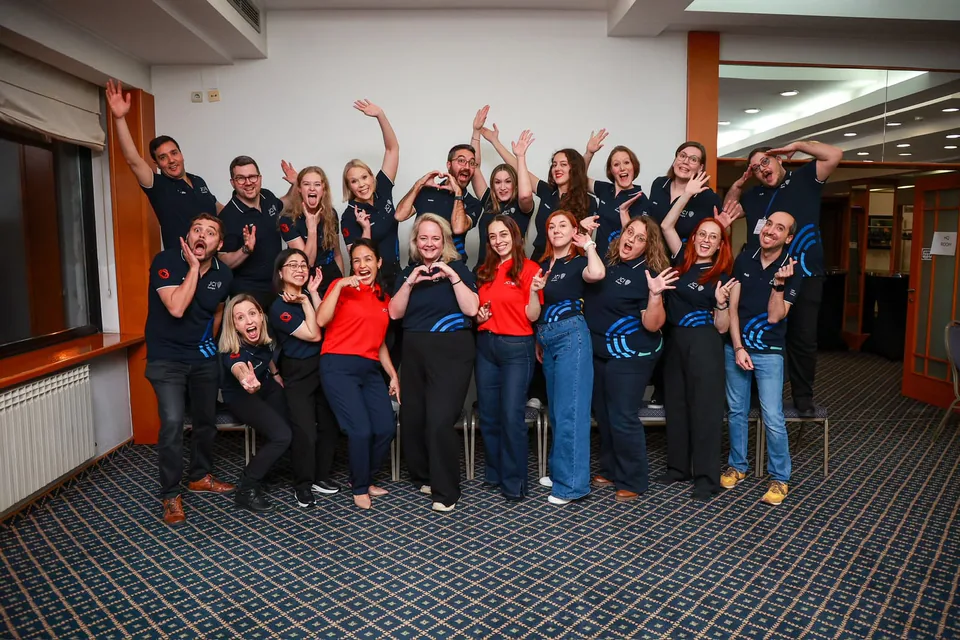
You combine a demanding corporate career with significant volunteer leadership responsibilities. How do you decide where to invest your time and energy, and how do you maintain that balance?
I could give you a beautiful answer about discipline, organisation, and a perfect work-life balance.
It just would not be true.
I overcommit.
I get excited about ideas, projects and people. Someone comes to me with something interesting and my instinct is often, “Yes, we should do that!”
Then I rediscover that apparently days still only have 24 hours.
I learned the consequences of that the hard way. At some point, you realise that constantly saying yes has a cost. It costs you energy, but it also affects the people around you. And when everything becomes important, you eventually stop being fully present anywhere.
So I have had to learn something that sounds incredibly simple and that I still find difficult.
Say no.
I have also learned that protecting my private life is not selfish. Skiing, canyoning, travelling, spending time with people I care about, or simply having moments when I am neither CFO nor JCI Vice President is not time taken away from my responsibilities. It is part of what allows me to continue enjoying them.
I still get the balance wrong sometimes. Probably more often than I should.
But today I ask myself different questions before committing. Does my presence actually add something? Am I really the right person? Could somebody else do this better? Is this important enough to justify the time it will take?
And perhaps the most uncomfortable one.
Am I saying yes because this matters, or simply because I struggle to say no?
I am still learning that balance. But I have understood that being everywhere is not leadership and making yourself indispensable is not leadership either.
Sometimes the best decision is creating space for somebody else to step in.
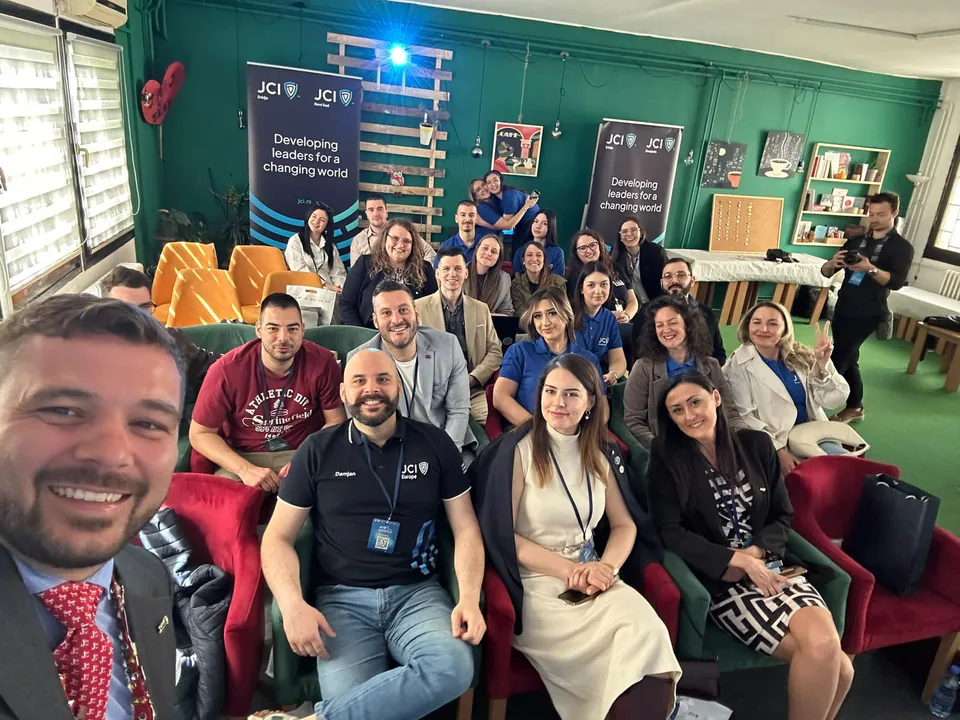
In your professional life, you lead in areas such as finance, digitalisation, M&A and governance. How does leading in a corporate environment differ from leading volunteers in JCI?
JCI is probably one of the best places to discover whether you can actually motivate people.
Because ultimately, people can simply decide not to do what you ask.
In a company, even if I strongly believe good leadership should never depend primarily on hierarchy, the hierarchy still exists. There are responsibilities, contracts, objectives and accountability.
In JCI, what do you really have?
Purpose. Relationships. Trust. Credibility. Motivation.
That is basically it.
If people do not believe in what you are trying to accomplish or if what you have to say doesn’t have substance, your title will not save you.
There is another interesting side to volunteer leadership. In business, when a professional relationship becomes completely dysfunctional, structures exist to deal with it.
In JCI, you cannot fire someone who annoys you.
So I learned a valuable lesson: in JCI, you do not choose who you work with, but you choose how you work with them.
We can disagree strongly, have completely different personalities and still sit around a table, respect each other’s role and accomplish something together. You do not have to be friends with everybody you work with; you simply have to be professional and respectful.
That distinction between personal relationships and shared responsibilities has helped me enormously professionally.
But the learning also works in the other direction. Business has taught me that purpose and motivation cannot replace accountability. Sometimes difficult decisions have to be made and problems have to be addressed rather than avoided.
So I no longer see corporate and volunteer leadership as two separate worlds.
They constantly teach each other.
Business reminds me that leadership requires accountability.
JCI reminds me that authority and leadership are definitely not the same thing.
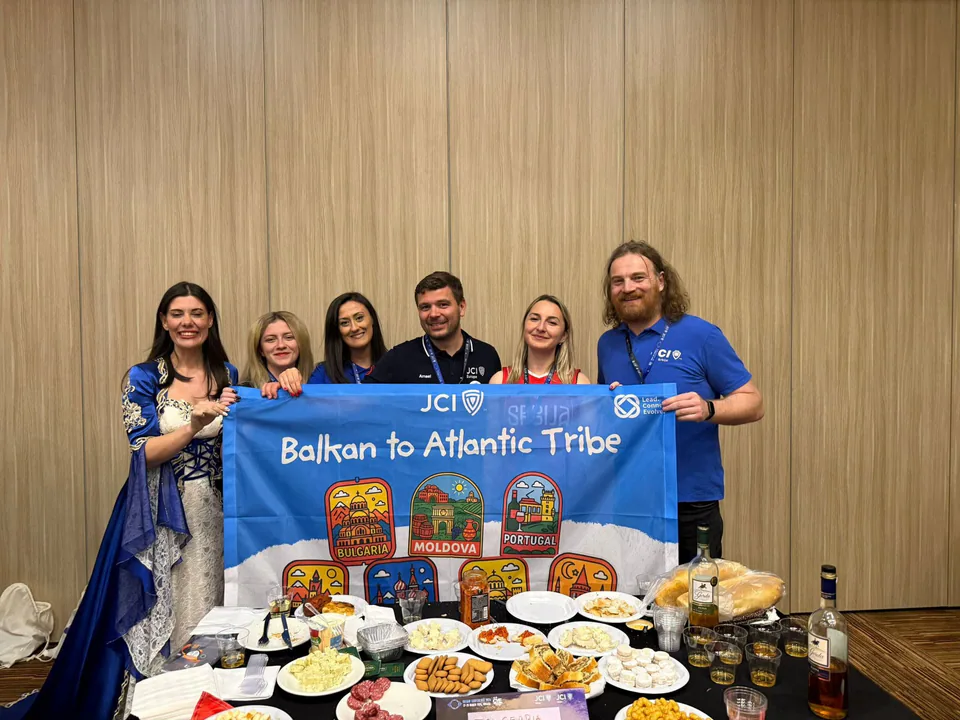
You often speak about empowering others and building bridges across borders. What does effective empowerment look like to you in practice?
For me, empowerment starts with paying enough attention to understand what the person in front of you actually needs.
That will not be the same for everyone.
Some people are capable and ready, but would never put themselves forward. They need someone to say, “You can do this. Apply.” Others have plenty of confidence and need to be challenged further. Someone going through a difficult project may simply need support and the reassurance that they are not alone.
Sometimes, frankly, people need a little kick in the ass.
And sometimes what they need most is recognition. Say their name in the room. Give them credit for what they accomplished. Introduce them to someone they should know. Open a door and then let them walk through it themselves.
I have had the chance this year to meet many young leaders across Europe, and it reinforced something I strongly believe. Empowerment is not about turning people into copies of ourselves.
It is about helping them discover their own way of leading.
That means giving people real ownership, and real ownership includes accepting that someone may do things differently from you.
It also means accepting that they might fail.
If I give you responsibility but then stand behind you controlling every decision because I am terrified you might do it differently, I have not empowered you.
I have just given you more work.
The hardest part can actually be knowing when to step back.
If someone eventually does not need your advice anymore, that is not a loss of influence. That is success.
For me, effective empowerment means helping somebody move from “I’m not sure I can do this” to “I’ve got this.”
Then getting out of the way and seeing where they take it.
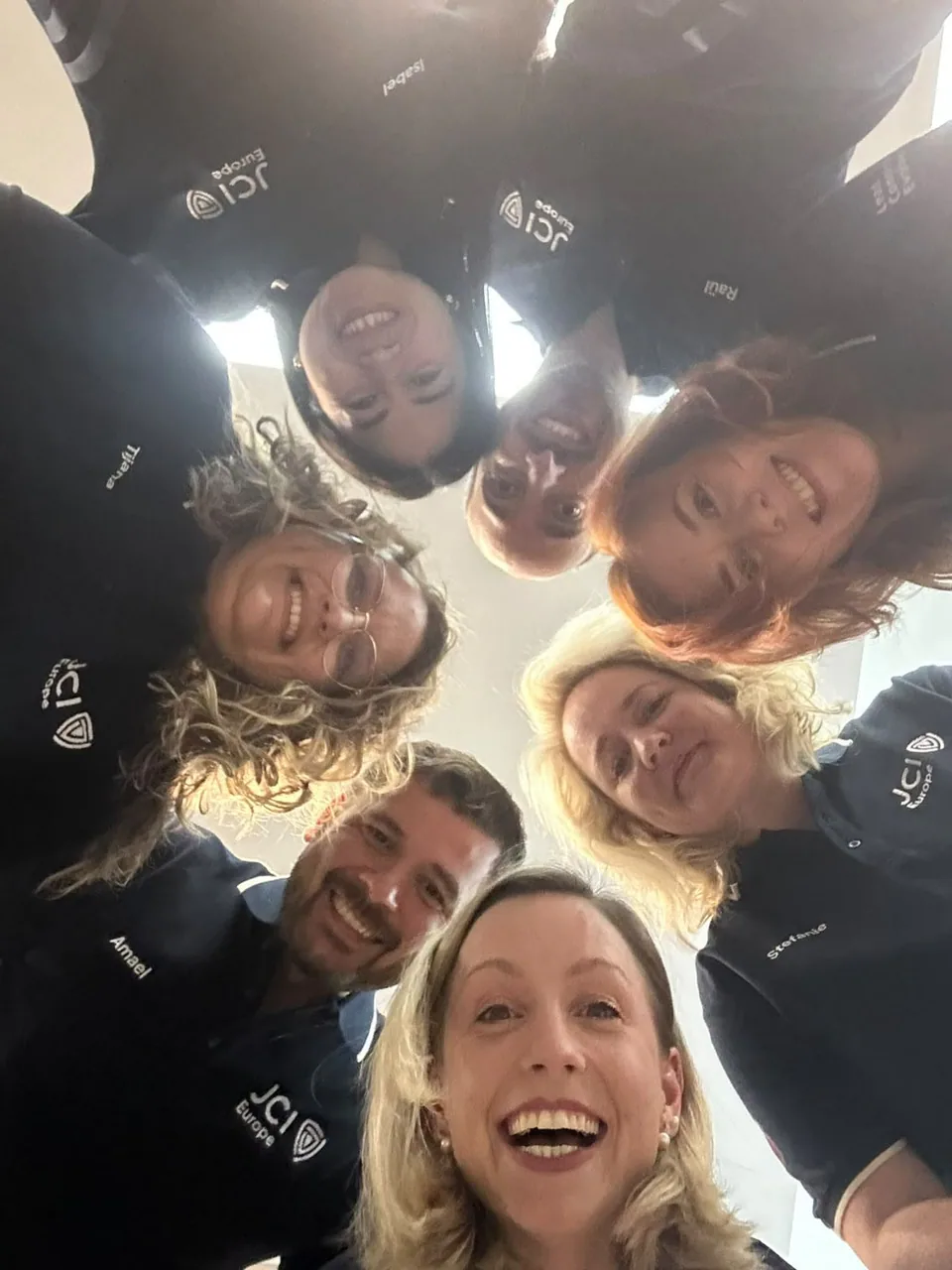
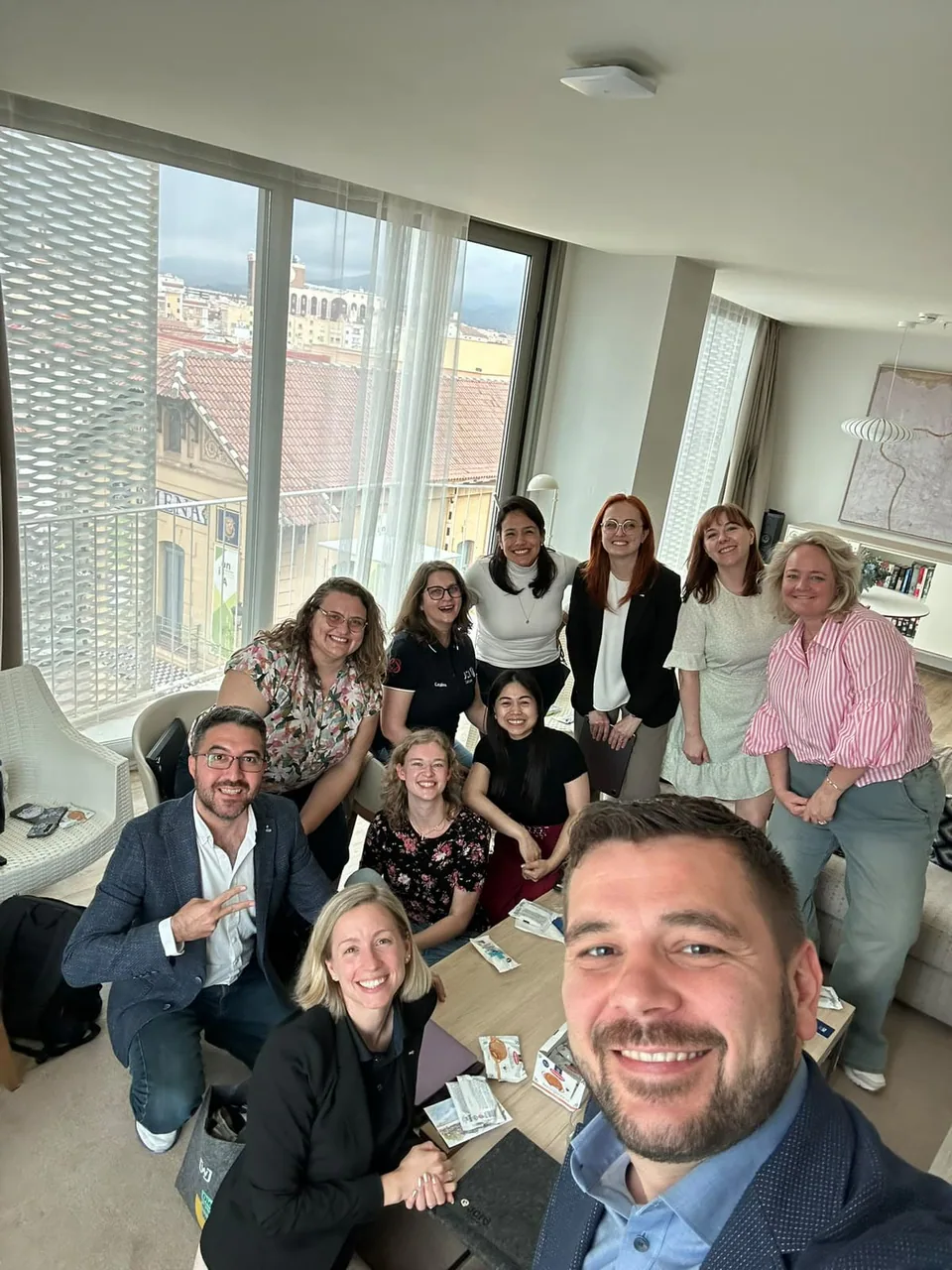
You have built experience across business, entrepreneurship and JCI. What advice would you give to young leaders who want to turn their volunteer leadership experience into professional opportunities?
Simply joining JCI will not change your life.
I know that might sound strange coming from someone who joined in 2007 and has spent almost twenty years in the organisation, but I genuinely believe it.
JCI gives you opportunities. What happens with them is up to you.
You can spend ten years attending meetings and remain exactly where you started. Or you can raise your hand for something that scares you a little.
Organise a project. Lead a team. Speak in front of hundreds of people. Negotiate with a company. Manage a budget. Go to another country where you know nobody. Take responsibility for something you are not entirely sure you are ready for.
That is where the real value is.
Volunteer leadership gives you a remarkable place to experiment with responsibilities that might take years before somebody trusts you with them professionally.
But you have to want it, and you have to dare.
And yes, sometimes you will fail.
I do not particularly like the phrase “failure makes you grow.” Failure alone does nothing.
Honest reflection, taking action, and daring to change make you grow.
You need to look back and ask what you got wrong, what you would do differently and what the experience taught you about yourself.
That is how volunteer experience becomes professionally valuable. Not because you can add another title to your CV, but because you can explain what you actually learned and how it changed the way you work and lead.
So my advice is not to collect titles.
Collect experiences.
Especially the ones that make you slightly uncomfortable.
Because the opportunities that change your trajectory rarely begin with you feeling completely ready.
Mine certainly did not.
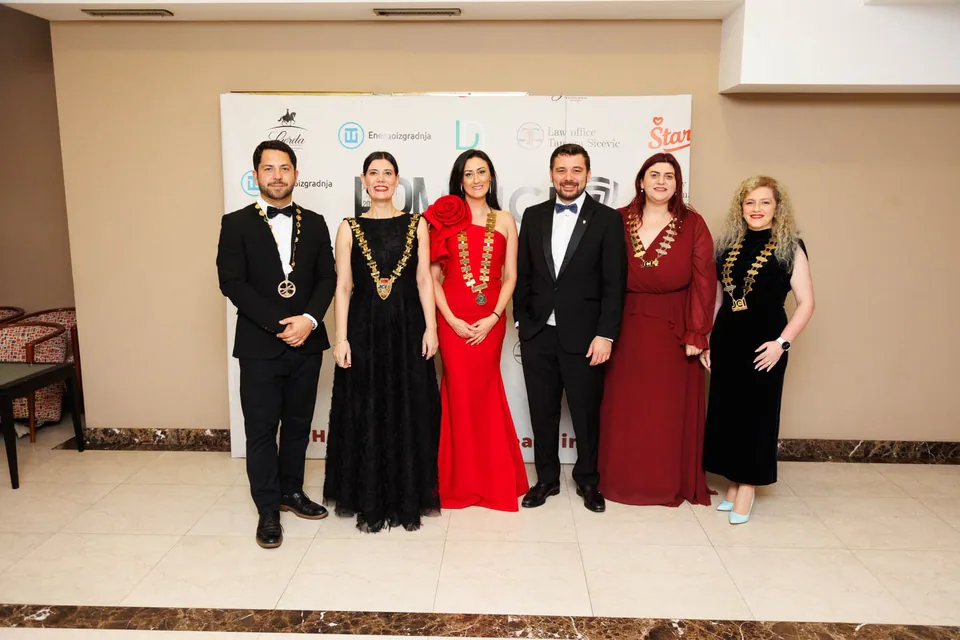
Looking back at your journey so far, what kind of leader do you hope people will remember you as?
After almost twenty years in JCI, I do not particularly need people to remember the titles.
Local President. National President. Vice President.
Those titles matter while you hold the responsibility. You should respect them and do everything you can with the opportunity you have been given.
But eventually, somebody else’s name replaces yours.
And that is exactly how it should be.
What I would love people to remember is something much simpler.
That I motivated them to dare.
That I perhaps saw something in them before they completely saw it themselves. That I trusted them with something they were not sure they could do. That I challenged them when they needed it, supported them when things became difficult and then gave them enough space to find their own way.
Because after all these years, I think that is where leadership becomes really interesting.
Not when people need you.
When they stop needing you and fly on their own.
When somebody you encouraged takes an opportunity, grows through it, develops their own ideas and eventually goes further than you ever could.
And as I approach the end of my own active JCI journey, that idea probably means more to me than ever. The next generation should not build JCI exactly as we did. The world they are leading in is already different.
I hope they understand what is worth holding on to and then have the courage to change the rest.
Which somehow brings me back to where this whole story started.
Be curious. Question things. Accept that you will sometimes get them wrong. Own it. Learn. Keep moving.
And dare to act.
If people who crossed my path remember me as someone who helped them do a little more of that, I think I will be pretty happy with the leader I have become.
If this story inspired you to become a JCI member, click the link below to find the closest organisation.