
· 11 min read · Leadership Interviews
Don’t Fear the Future, Shape It: Mia Negru on Curiosity, Human-Centred Leadership and AI

What does it take to lead responsibly in a world where technology is changing faster than society can adapt?
In this month’s Leadership Interview, Mia Negru, entrepreneur and JCI Senator based in Copenhagen, shares her perspective on leadership, shaped by more than two decades of entrepreneurship and her experience within JCI. Working at the intersection of technology, sustainability and society, she explores how curiosity, critical thinking and human responsibility can help us navigate an increasingly uncertain future.
From leading volunteers and building connections across cultures to exploring the impact of artificial intelligence on society, Mia reflects on the importance of putting people at the centre of change and why the future is something we should actively help shape.
Please tell us a bit about yourself.
I’m Mia Negru, an entrepreneur, JCI Senator and Executive Director of Life With Artificials, based in Copenhagen. My work connects technology, sustainability and society, with a particular interest in how we can shape change consciously and responsibly.
I have been involved in entrepreneurship since 2004 and in JCI since 2013. My professional journey has taken me through entrepreneurship support, commercial strategy, sustainability and, increasingly, the social implications of artificial intelligence and emerging technologies. At 2030 Builders, I have worked on connecting organisational ambitions with employee engagement and practical change.
Today, through Life With Artificials, I focus on bringing people into conversations about technologies that will increasingly shape how we live, work and relate to one another. I believe these conversations belong in communities, classrooms and public life, alongside research institutions and boardrooms.
I’m also developing Homo Artificialis, a framework exploring how the convergence of artificial intelligence, robotics and synthetic biology could transform humanity—and who gets to influence that transformation.
Across these different roles, the question that motivates me remains the same: how can we give more people the understanding, confidence and opportunity to help shape their future?
My guiding belief is simple: “Don’t fear the future. Shape it.” For me, that is both an invitation to act and a responsibility to think carefully about what we are creating.
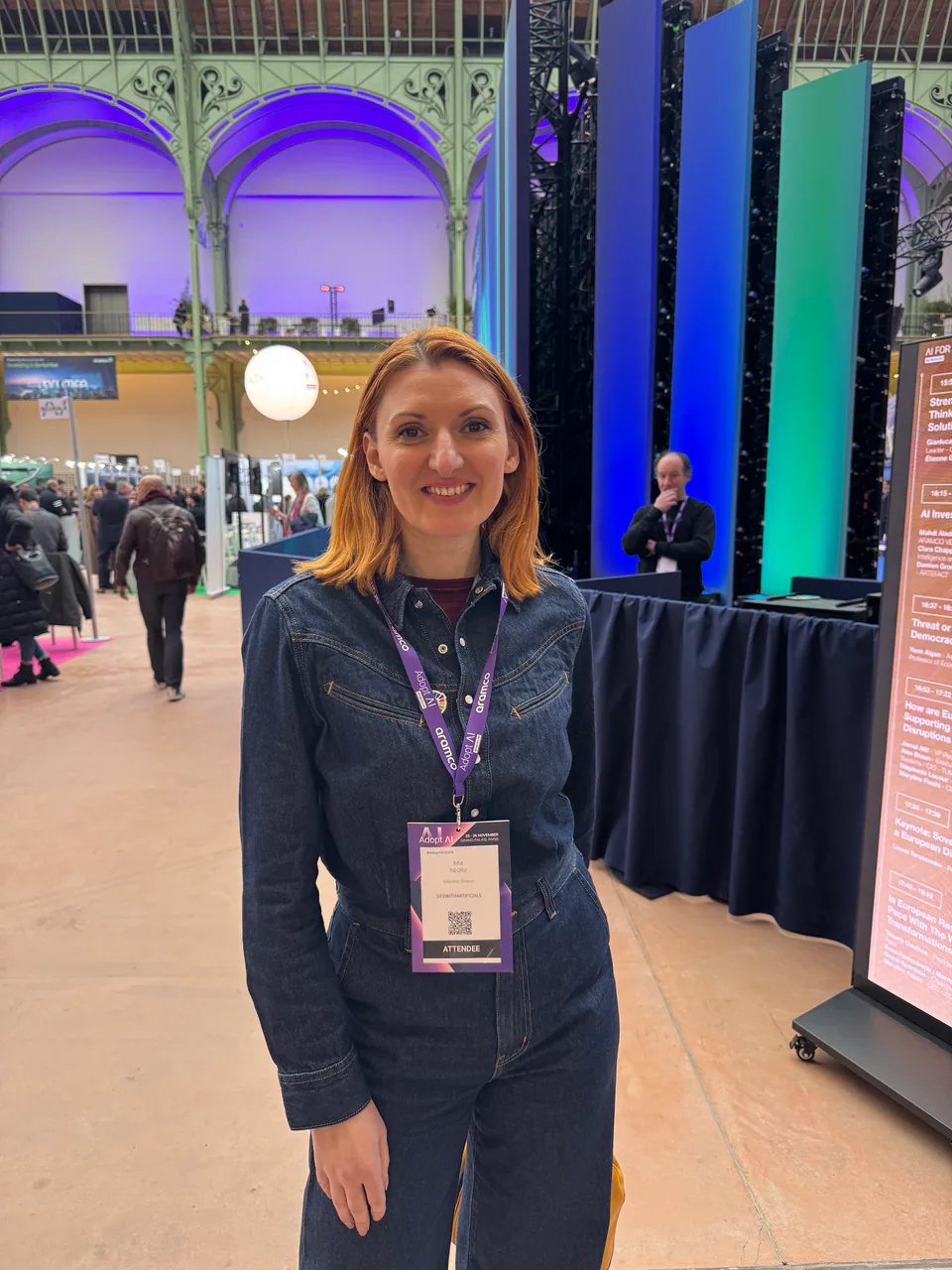
What does leadership mean to you personally, and how has your understanding of it evolved throughout your professional and JCI journey?
Leadership means taking responsibility for what becomes possible through your actions—and for how those actions affect others.
Earlier in my journey, I placed more emphasis on initiative: having an idea, bringing energy and making things happen. Entrepreneurship rewards that ability. Over time, my understanding has expanded to include listening, creating shared ownership and knowing when someone else should lead.
JCI is an important part of that perspective. In a voluntary community, people contribute because they see meaning in the work and feel that their contribution matters. You have to earn commitment through trust and purpose.
Today, I judge leadership increasingly by what it enables in other people: their confidence, their judgment and their capacity to act without depending on you.

Your work sits at the intersection of technology, sustainability and society. What values guide you when thinking about the kind of future we should be building?
I have been working at the forefront of megatrends, exploring sustainability for the past nine years and, over the past year, artificial intelligence, robotics and synthetic biology. Every new technological development reveals risks and vulnerabilities, and can create gaps and inequalities.
I am very driven by the Sustainable Development Goals because they show us where we need to intervene to address those gaps and the downsides of development. Guided by the SDGs, human and technological interventions can help create more equal opportunities for people around the world.
Positive impact and equal opportunity are important values for me. I believe that putting humans at the centre of development has the potential to build the world we all need.
There are amazing opportunities ahead of us as humans. At the same time, I am aware that these opportunities can only be realised if our intentions come from a place of good. I believe that much of the negativity and fear surrounding a future enabled by artificial intelligence comes from the same roots as our fear of harmful human intentions.
In my opinion, JCI leaders should bring out the goodness in human beings, promote inclusion and empowerment, and keep positive impact as the North Star of both the organisation and each individual leader.
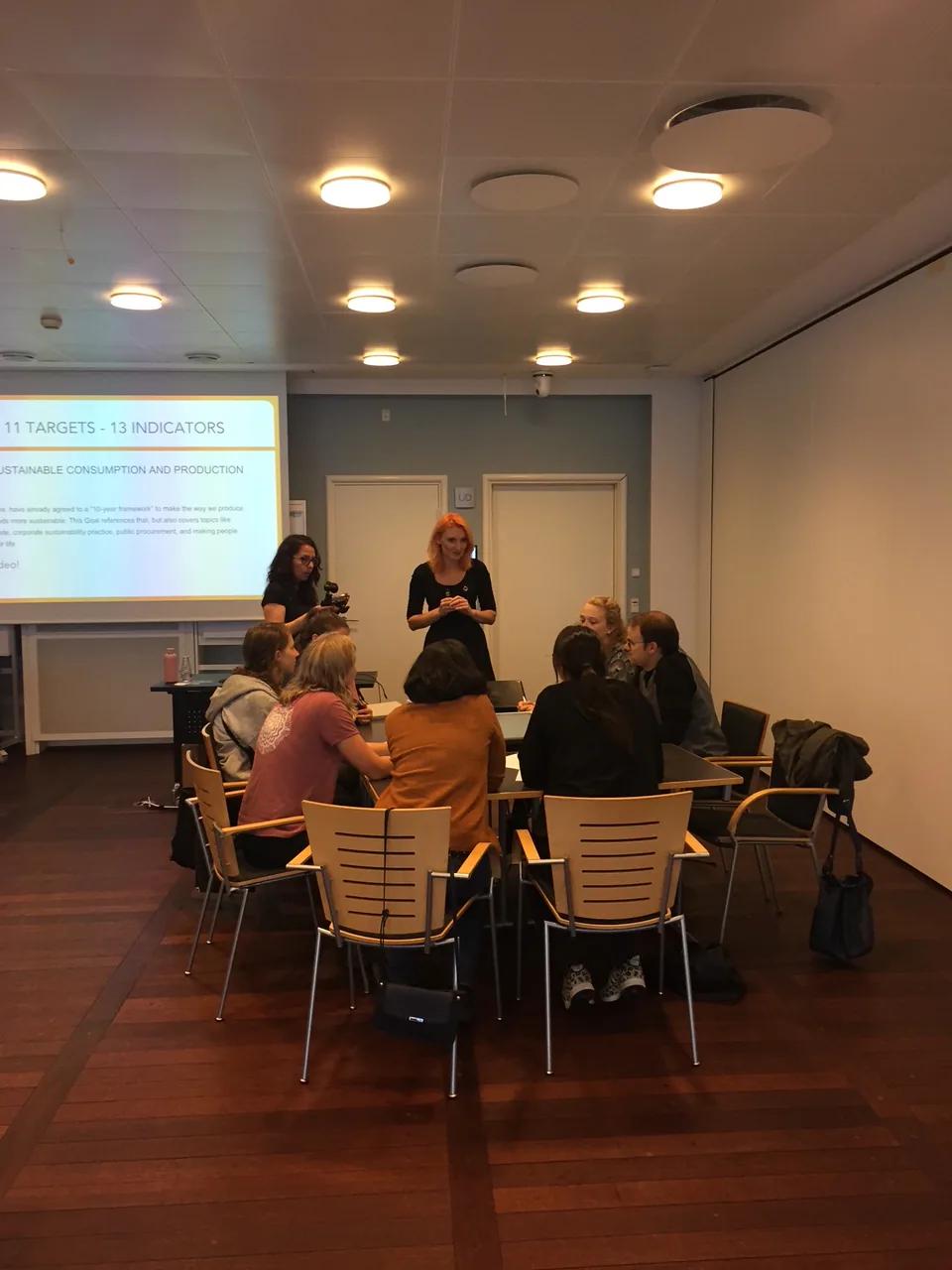
You work with emerging technologies where there are often more questions than answers. How do you make decisions and lead when the path forward is uncertain?
I was talking earlier about the North Star, and I think we need to look at two questions: How does this improve what we have today? And how does it create equal possibilities for everybody involved?
AI is a very good tool for understanding dynamics, gathering data and analysing information from many sources. But our intuition and critical thinking help us judge whether something is good for the person in front of us, the community around us, our neighbourhood, our city, our country or our company.
While AI can help us make decisions much faster, the responsibility remains to make better decisions. By “better,” I mean better for human outcomes, not simply more efficient or effective.
When the path is uncertain, I think we have an obligation to create future mind maps: to picture what might happen and think ahead, so that we do not regret the decisions we make. AI can also help us explore those scenarios.
Once we have done this exercise a few times, it becomes easier to work with these mind maps mentally. They help us distinguish between a real opportunity for positive impact and a short-term gain that could have negative consequences in the long run.
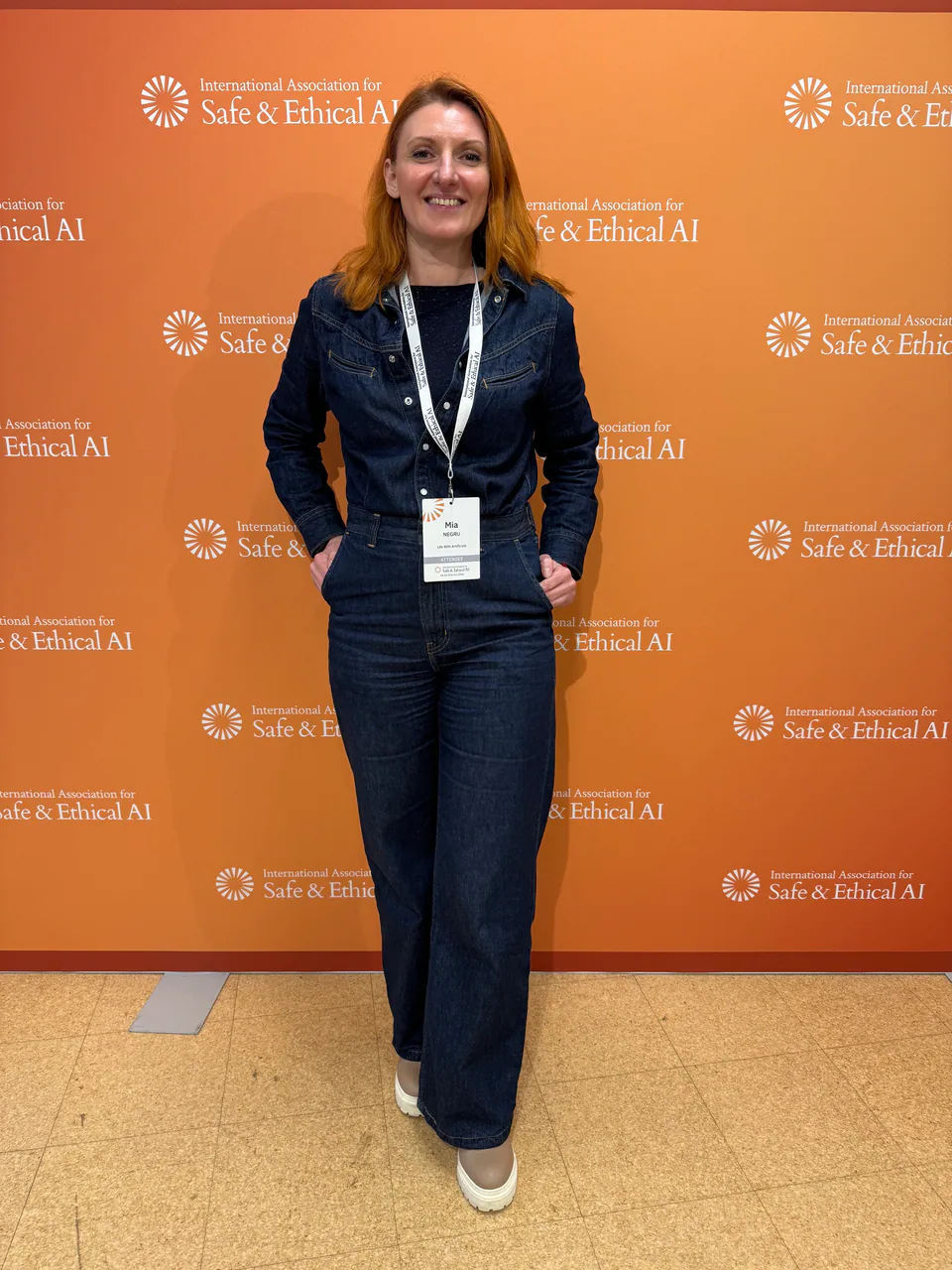
Looking back at your JCI journey, which experience or role had the greatest impact on the leader you are today?
I believe that being a local president is the role in JCI that teaches people the most.
I started as a volunteer without being a member. That gave me the satisfaction of being included, even though I could not commit the time to becoming a member at that point.
Then I became a member and later a board member. In those roles, I did not feel the same level of responsibility. I understood that I was volunteering my time and effort to create better experiences for the other members.
Becoming local president brought me back to what I mentioned earlier: your role is to motivate a group of people who are not paid to work extra hours, but who do so to create a positive experience and impact for members, guests and partners.
That is where your leadership muscle gets stretched to the maximum. You have to try different approaches to reach the heart and mind of each member.
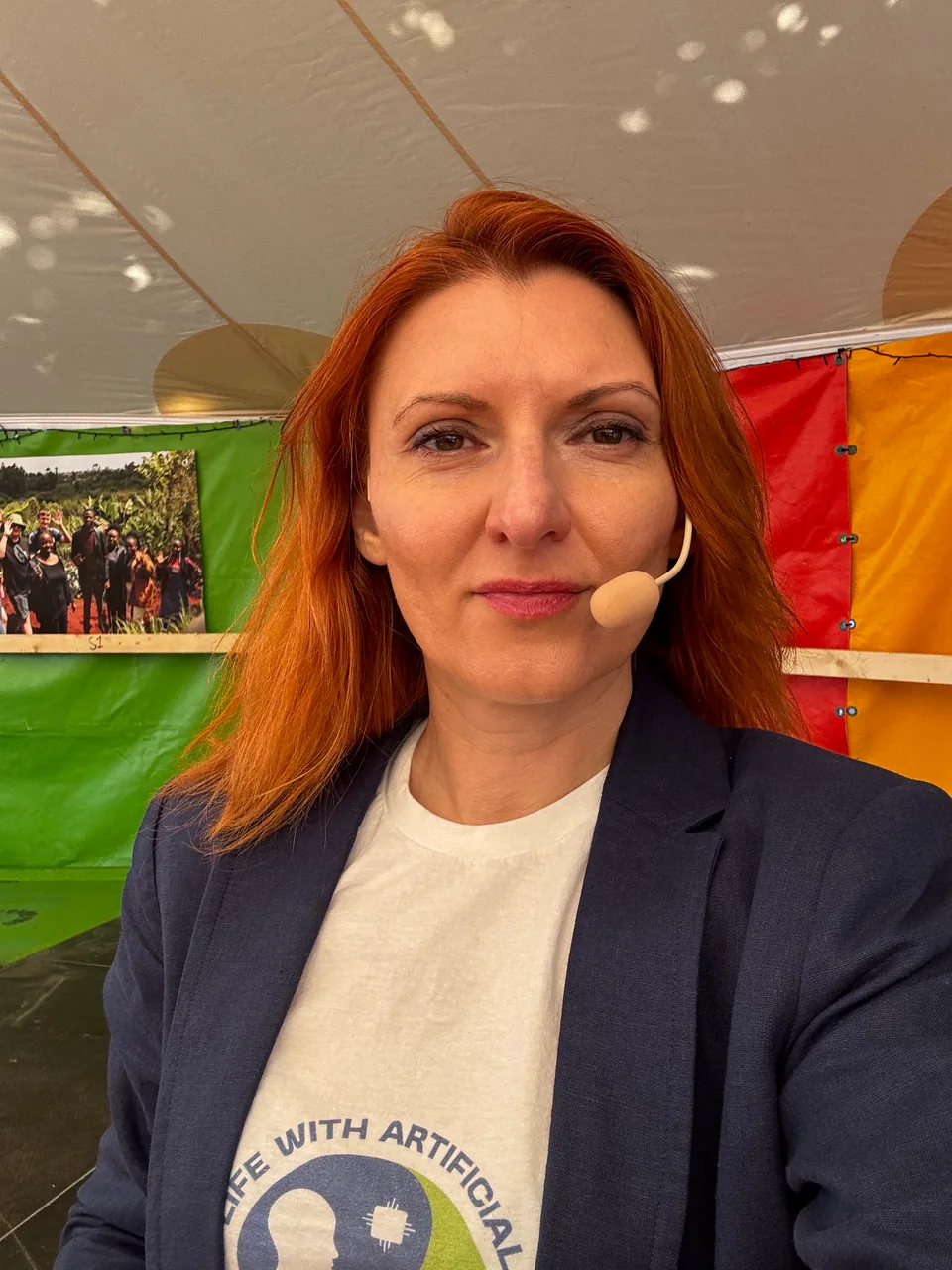
You have worked with people from different countries, sectors and backgrounds. How did JCI help you develop the ability to build bridges between people and ideas?
I came from a relatively monocultural environment in Romania, where I did not encounter much diversity on the streets, at church or at school. Becoming a member of JCI in Denmark greatly expanded my cultural experience.
Participating in international conferences expanded that experience even further. You are not only meeting people from European countries with backgrounds relatively similar to your own; you are encountering people from different religious backgrounds and very different environments. That is amazing.
I learned a great deal about how to approach people from different cultures. But my biggest realisation, after a few years of exposure through twinning projects, conferences and a peace summit, was that we all share common traits.
Those traits connect us through what it means to be human, to be a friend, to be a leader and to be a citizen of the world. They are also what makes us good candidates for JCI membership.
You have moved between entrepreneurship, business, sustainability, technology and community initiatives. What has driven these transitions, and how have they shaped your leadership journey?
Career changes offer different perspectives on leadership.
Entrepreneurship teaches you how to lead yourself: how to use your capabilities to create financial value, but also how to manage your weaknesses so that you can move forward.
In business, there needs to be profit and a return. Leadership becomes particularly visible in negotiations and in understanding how to find a win-win outcome.
In sustainability, you are leading for the planet, the environment and equality. You are working to ensure that trade-offs do not always come at the expense of the environment.
In technology, you need to think a step ahead, connect the dots to see the bigger picture, and quickly identify risks that could cost you your competitive advantage.
In a community, leadership means togetherness and unity. It means listening, understanding and being willing to compromise where you can in order to support someone else.
My transitions have mainly been driven by curiosity, which pulls me in different directions. I also follow different communities and seek out places where I can meet new people, broaden my perspective and keep learning from what others do well.
All these experiences have shaped my leadership journey. Today, I am moving from leading communities towards a positive impact on the planet to helping shape mindsets for a positive impact on society.
You are now working at the intersection of humans and artificial intelligence. What does responsible leadership look like in a world where technology is developing faster than many of our institutions?
Responsible leadership means enabling the next generation of leaders to continue making progress.
We have to see future generations as the main beneficiaries of the decisions we make today. This is already central to sustainability: our decisions affect how future generations will live. It becomes even more important with technology and artificial intelligence.
Our institutions and society are not ready for the transformations that are just around the corner. Because we cannot see around that corner, we feel there is still plenty of time before we will need to make decisions and changes.
From where I stand, however, that timeline is much shorter than we allow ourselves to believe.
JCI has an opportunity to develop tomorrow’s leaders by recognising the changes technology will bring to society and beginning to simulate and rehearse our responses, with human wellbeing at the centre.

You often talk about trust, ethics, inclusion and human responsibility in the development of AI. How can leaders make sure that innovation remains human-centred?
I think it is an important exercise for today’s leaders to finally put human wellbeing at the centre of development.
We talk about an era of abundance in which we will no longer have to do hard, boring or dangerous jobs. Technology could take over repetitive tasks and much of the work we do not want to do as humans.
That leaves us with a central question: what does it mean to be human? What does it take for people to be happy while still experiencing the challenges that give us a sense of purpose at the end of the day?
We need to keep exploring and putting into practice our understanding of what it means to be human.
Identifying meaning, purpose and ways for societies to evolve should help give JCI a map for influencing this transition.
You have built communities and partnerships around sustainability and emerging technologies. What have you learned about bringing people together around an idea that may initially seem too ambitious or unfamiliar?
This is a challenge for any leader with an entrepreneurial spirit who wants to explore emerging technologies. An idea may seem too bold or too ambitious for people who are more cautious.
One thing JCI teaches us very well is how to communicate with different types of people. Using the colour framework, you need to present your idea to people who are blue, yellow, red and green. Some may pull you back or clip the wings of a very ambitious, futuristic idea, but there is often some truth in what they bring.
As someone who identifies as a yellow personality, I have learned that I need to communicate the bigger idea and vision. But if I want people on board, I also need to break projects into smaller steps that feel achievable to those who are more cautious or sceptical, or who may not yet understand the language used to describe the vision.
JCI gives leaders tools to create a path forward with different people.
In my work today, I see parallel developments across different fields converging into something unexpected and unforeseen within a very short time.
That presents me with a communication challenge. I need to practise science communication: translating what happens in research and innovation labs into language that makes sense to the person on the street.
If we want more support and more active citizens involved in decision-making and shaping our future, we need to speak in language they understand and that is meaningful to them.
For young leaders entering a world being transformed by AI and other emerging technologies, which skills or qualities do you think will matter most?
I would put curiosity first.
Being curious means being willing to spend time and resources finding things out, doing your own research and exploring topics more deeply. Curiosity often takes us towards creation and positive possibilities.
Of course, curiosity can also lead us into conspiracy theories or doomsday scenarios. That is why it needs to be accompanied by other qualities.
Next, I would name creativity and imagination. We need to look at what is missing from the world around us and imagine what would bring it closer to the world we would like to live in.
Artificial intelligence and technology more broadly will give us the potential to turn things that once seemed unimaginable into reality.
Alongside curiosity, imagination and creativity, we need critical thinking. In a world of constant noise and manipulation, we must be able to distinguish what is real, what is reliable information and what is an attempt to manipulate us.
Looking ahead, what kind of impact would you like your work and leadership to have on the future we are creating?
I would love my messages to reach people and make them more curious—to help them discover possibilities they had not considered before.
Perhaps they will then share those messages and inspire curiosity, entrepreneurship and creativity in others. I would like to contribute to a world in which people explore possibilities.
I think I am a courageous leader. I am also a leader who has failed and is not afraid to try again.
If there is one thing I would like people to take away from my messages, it is that they should try. If they have an idea, they should try it out.
If this story inspired you to become a JCI member, click the link below to find the closest organisation.